The best vpn in 2025

Available on all device :

9.3

Very Good
Get 49% off
$6.67/mo

9

Good
Get 74% off
$3.09/mo

8.9

Outstanding
Get 76% off
$2.19/mo

8.8

Outstanding
Get 80% off
$1.59/mo

How We Rate our VPNs

Features

Ease of use

Pricing

Supprt

To identify wich VPNs offer the best value for your internet ,we analyzid the key features of each VPN provider.Our evaluation enphasized security at the top priority,leading us military grade encryption multiple protocol like OpenVPN,L2TP,IKEv2 along with features like DNS leak protection and a kill-swith Additionally,we assessed  the network size in terms of servers and location and conducted speed test for performance evaluation.

Furthmore,our assesment extended tothe user experience aspect,evaluating factors like software installation,server connzctivity ,and the overalle ease of us.Customer support played a critical in our analysis ,including factors  such as support avaibility contact option ,and respons eeficiency .By juxtaposing these criteria against the pricing structure ,we determined the overall value proposition of each VPN.Lastly ,we incoporated user feedback encompasing both positive and negative reviews ,for a comprehensive assesment.

Frequently Asked Questions

How Does a VPN Work?
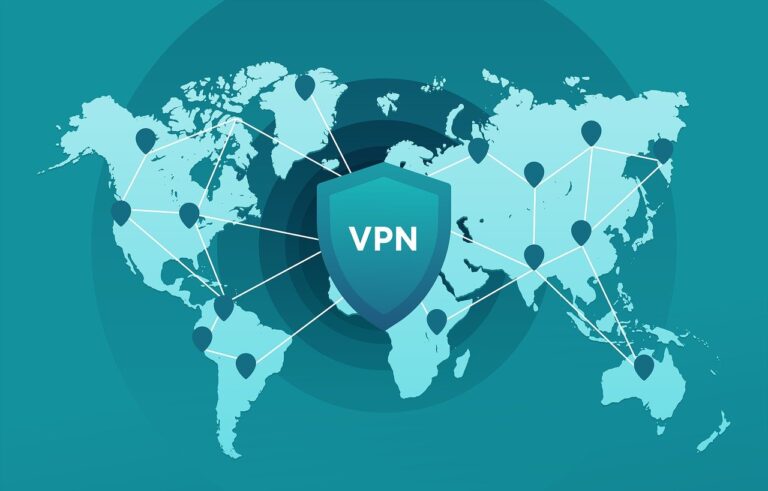
A VPN works by redirecting your internet connection through a secure server operated by the VPN provider. This process can be broken down into several key steps: Establishing a Connection: When you connect to a VPN, your device (whether a computer, smartphone, or tablet) establishes an encrypted connection to a VPN server. Data Encryption: The data sent between your device and the VPN server is encrypted. This means that even if someone intercepts your data, they will not be able to read or understand it. IP Address Masking: Once connected, your device takes on the IP address of the VPN server rather than your actual IP address. This helps to hide your real location and identity online. Secure Data Transmission: Any data you send or receive is securely transmitted through the VPN’s encrypted tunnel, making it difficult for third parties to track or steal your information.
When Should You Use a VPN?
When accessing public Wi-Fi networks. When accessing region-restricted websites or streaming services. When you want to keep your online activities private. When working remotely and accessing sensitive company data.
how do i connect
To connect to a VPN on your device, follow these general steps: 1. Choose a VPN Provider: Select a reliable VPN service (e.g., NordVPN, ExpressVPN, Surfshark). Sign up and create an account. 2. Download and Install the VPN App: On Mobile (Android/iOS): Download the app from the Google Play Store or Apple App Store. On Desktop (Windows/macOS): Download the app from the VPN provider’s official website. On Smart TV/Streaming Devices: Install the app from the device's app store if available. 3. Launch the VPN App: Open the app on your device. Log in using your account credentials. 4. Choose a VPN Server Location: Select a country or region you want to connect to. Some VPNs also offer “Best Server” or “Fastest Server” options. 5. Connect to the VPN: Click the “Connect” button. Wait for the app to confirm the connection. 6. Verify Your Connection (Optional): Visit an IP-checking website (like "whatismyipaddress.com") to ensure your IP address is changed. 7. Adjust Settings (Optional): Most VPN apps allow you to customize security settings, such as encryption protocols and kill switch options.
Yes, you can use a VPN on almost any device that can connect to the internet.
Scroll to Top